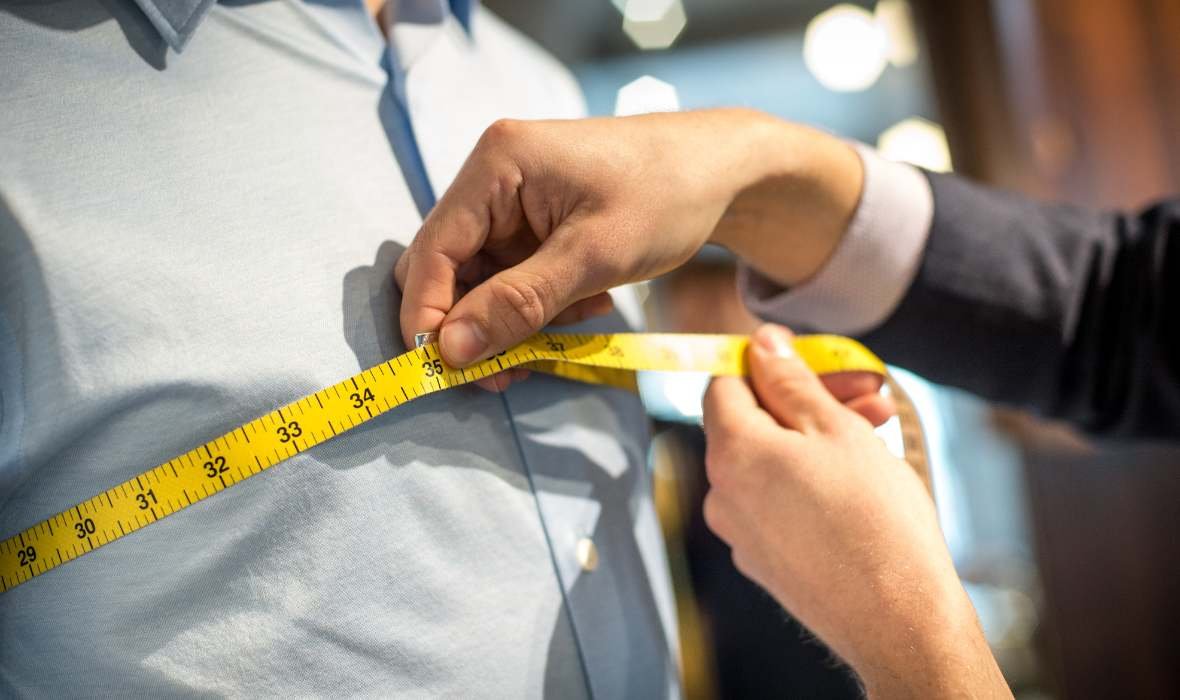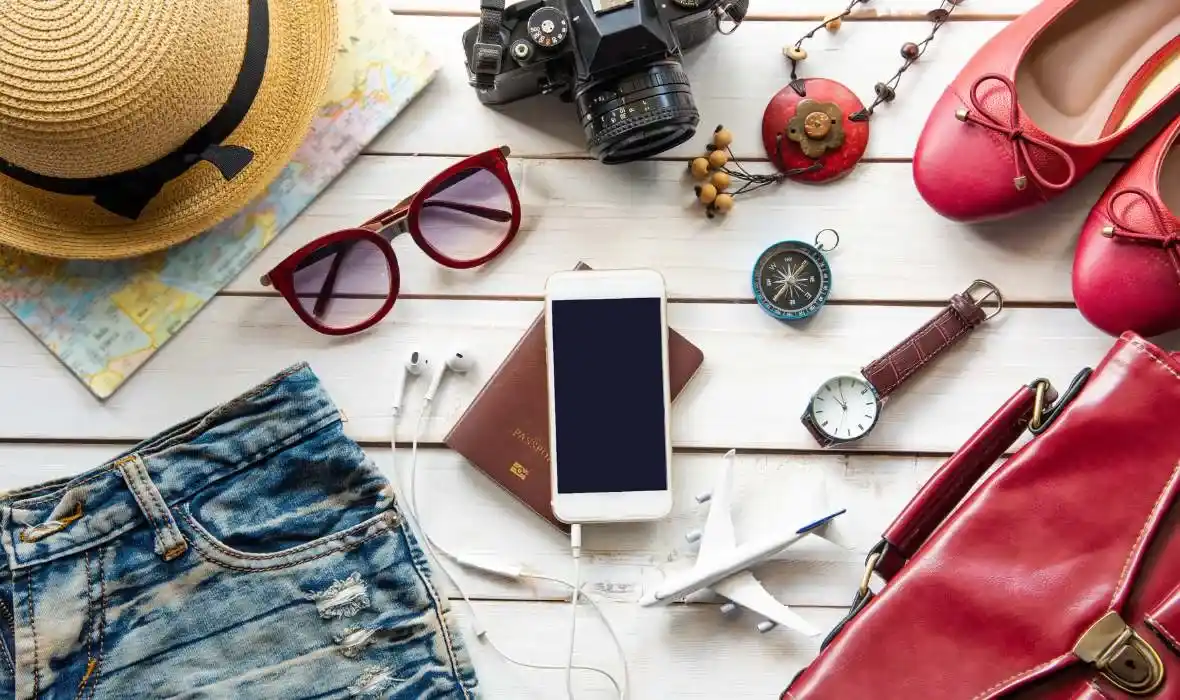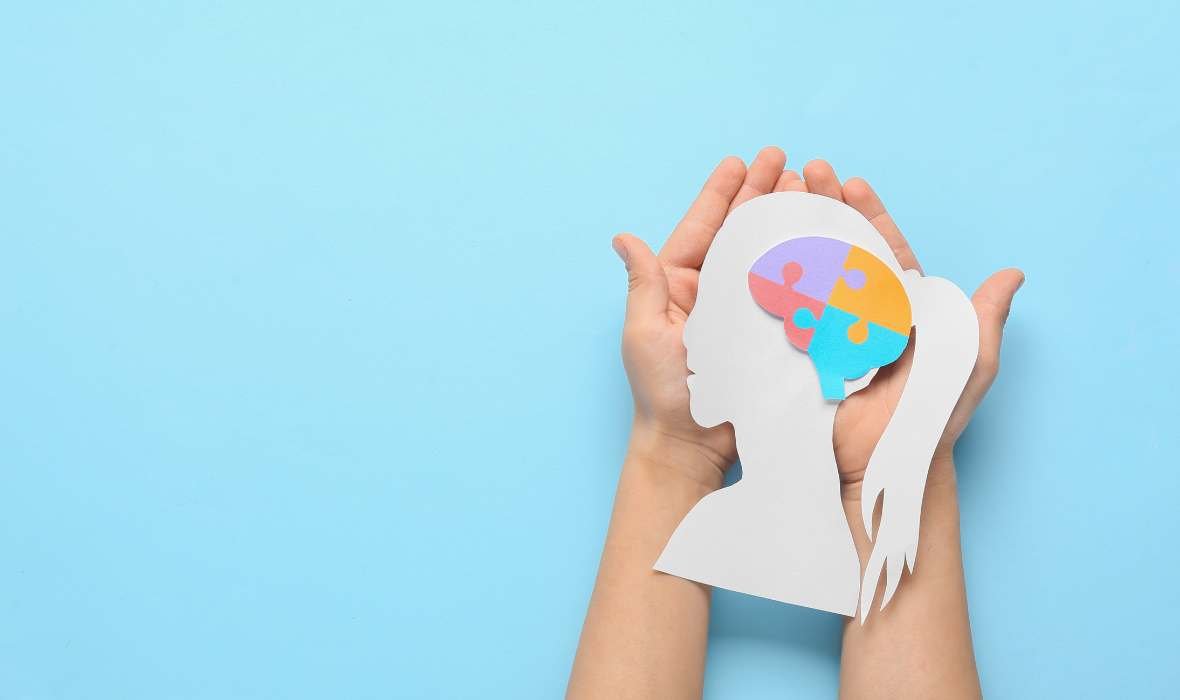
Clothing is not just a mere covering for our bodies; it’s a powerful means of self-expression. Our fashion choices go beyond aesthetics—they have the ability to influence our mood, confidence, and even our behavior. The intersection of fashion and psychology is a fascinating realm that explores the deep connections between what we wear and how we feel and act.
The Psychology Behind Clothing Choices
1. Expressing Identity
Our clothing choices are a form of non-verbal communication, allowing us to express our personality, beliefs, and values without saying a word. Whether it’s casual wear, professional attire, or a personal style statement, our clothing speaks volumes about who we are.
2. Mood Enhancement
What we wear can significantly impact our mood. Wearing bright colors or favorite garments often lifts spirits and boosts confidence. It’s not just about looking good; it’s about feeling good too.
3. Boosting Confidence
The right outfit can act as armor, boosting confidence and self-assurance. Studies suggest that wearing clothes that make us feel powerful can alter our perception and behavior in various situations.
4. Cognitive Effects
The phenomenon known as “enclothed cognition” explores how clothing can influence our cognitive processes. Certain clothes can trigger mental associations and affect our thoughts and behavior accordingly.
How Clothing Influences Behavior
1. Performance Enhancement
Studies show that appropriate attire can positively impact performance. Wearing professional attire might enhance focus and productivity in work-related tasks.
2. Social Perception
Our clothing choices influence the perceptions others have about us. First impressions are often based on appearance, affecting how we are perceived and treated by others.
3. Emotional Response
Different clothes can evoke varied emotional responses. Wearing comfortable and favorite clothes may alleviate stress and promote a sense of well-being.
Harnessing Fashion Psychology for Personal Benefit
1. Dress for the Occasion
Understanding the context and dressing accordingly can help you feel more comfortable and confident in various situations.
2. Dress to Reflect Mood
Choose clothes that align with your desired mood. If you seek confidence or positivity, opt for clothing that makes you feel empowered or joyful.
3. Experiment and Observe
Take note of how different outfits make you feel and act. Experiment with styles and observe how they impact your mood, behavior, and interactions.
Conclusion
Fashion isn’t merely about following trends or looking good; it’s a tool that influences our psyche and behavior. Our clothing choices are a powerful form of self-expression and have a profound impact on our emotions and actions. By understanding the psychology behind clothing choices, we can use fashion as a tool for self-empowerment, confidence, and positive self-perception.